Thinking about buying your first home in Concord but unsure how to read the market? You are not alone. With shifting mortgage rates and fast-moving listings, it can feel hard to know where to start or what a “good deal” looks like. In this guide, you will learn how Concord’s housing market works, how to compare neighborhoods and home types, what costs to plan for, and how to protect your purchase. Let’s dive in.
How to read Concord market metrics
Understanding a few core metrics will help you spot value and move with confidence.
Median price and what it means
Median sale price shows the middle of recent sales, not the highest or lowest. It is useful for seeing where the market sits overall. Watch the 12 month trend. If median price is rising while inventory is steady or falling, competition may be heating up. If price is flat but inventory is rising, buyers could have more leverage.
Inventory and months of supply
Months of inventory compares active listings to the pace of sales. Lower months of supply often point to a seller-leaning market. Higher supply can favor buyers. Read this together with price trends. Rising prices with falling inventory points to stronger competition. Rising inventory with flat prices suggests more choices for you.
Days on market and sale-to-list ratio
Median days on market tells you how quickly homes go into contract. Fewer days often signal competitive conditions. The sale-to-list price ratio shows if homes are selling above or below asking. When this ratio is above 100 percent, popular homes may attract multiple offers. When it sits below 100 percent, you might negotiate more.
Price per square foot and comps
Price per square foot helps you compare across neighborhoods and home types. Use it with recent comparable sales to judge value on a specific property. Townhomes and condos often fetch different price-per-foot values than single-family homes, especially near transit and retail.
New listings versus pending sales
The ratio of new listings to homes going pending shows momentum. When more listings go pending than come on market, supply may tighten. When new listings outpace pendings, buyers have more to pick from. Pair this with inventory and days on market to get the full picture.
Concord at a glance for buyers
Why Concord attracts value-minded buyers
Concord is generally more affordable than many nearby East Bay cities, including some higher-end suburbs. That value, plus BART access and freeway connections, draws first-time buyers, commuters, and move-down buyers who want space and convenience without the top-tier price tags found in certain neighboring markets.
Housing types you will see
- Single-family homes. Many are postwar ranch and mid-century styles, with some newer infill and hillside properties.
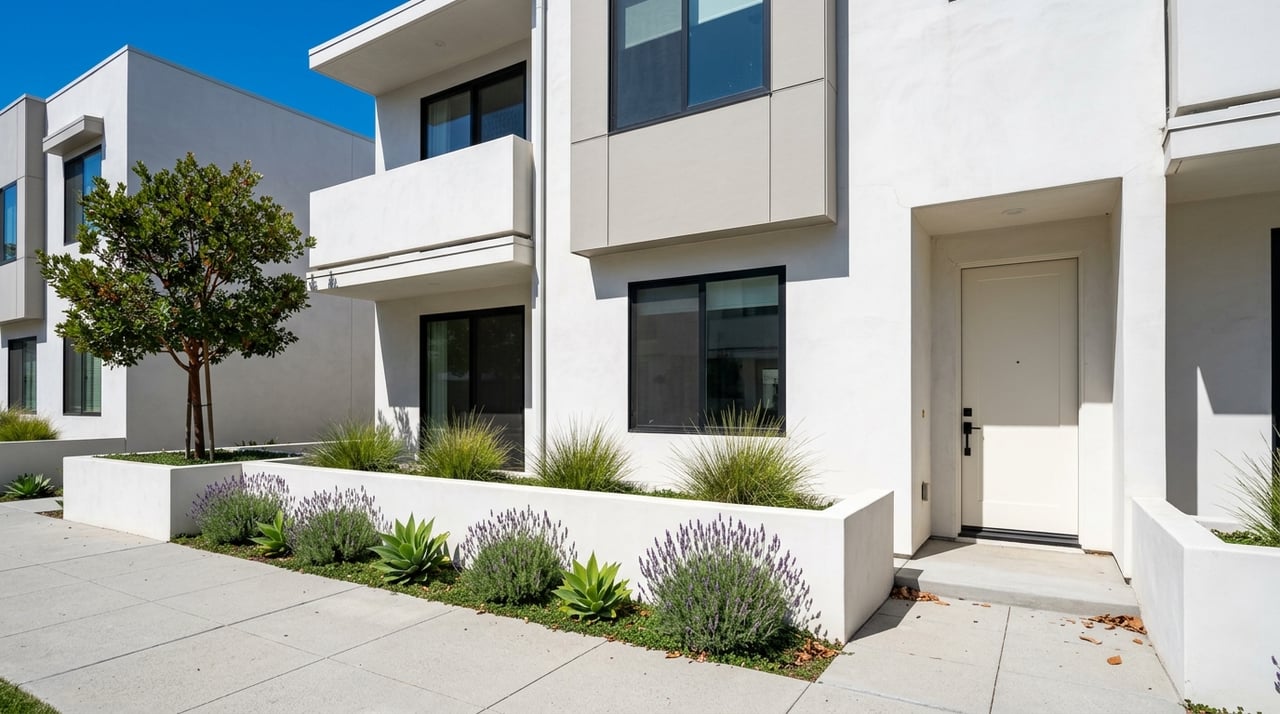
- Townhomes and condos. Often near transit corridors and downtown, frequently with HOA amenities and dues.
- Apartments and rentals. Moderate supply that benefits from BART and nearby job centers.
- Manufactured and mobile homes. A lower-cost option with unique ownership and space rent considerations.
Neighborhood snapshots to explore
- Downtown and Todos Santos Plaza area. Walkable core with restaurants, events, and quick transit access. A fit if you value amenities and convenience.
- North Concord and Concord Pavilion corridor. Mix of housing near retail with easy freeway access.
- Southeast near Lime Ridge and the Clayton border. Hill-side settings and larger lots in some pockets.
- Meadow Homes, Willow Pass, and older residential areas. Varied housing options that can work for first-time buyers and investors.
- Newer infill and townhouse communities. Often near BART and major retail, with HOAs that affect monthly costs.
Commute and access
Concord’s BART station and regional highways create strong connectivity to East Bay and San Francisco job centers. Proximity to BART often adds value and can shorten daily travel time. Keep in mind that highway congestion varies by day and time. If commuting is a priority, test drive your route during peak hours.
What it costs to buy in Concord
Upfront and monthly costs to plan
- Down payment. Varies by loan program. First-time buyer and FHA options can allow lower down payments.
- Closing costs. Typically 2 to 5 percent of the purchase price in California. Buyer and seller allocations vary by deal.
- Property taxes. The base rate is about 1 percent of assessed value under California’s Prop 13. Local assessments and parcel taxes can add to the bill. Always review your preliminary title report for special assessments such as Mello-Roos or community facilities districts.
- HOA dues. Common for condos and townhomes near transit and retail. Dues can affect your monthly budget and lending ratios.
- Home insurance. Standard policies exclude earthquakes. Consider separate earthquake coverage given regional seismic risk.
Financing tips in today’s rate climate
Mortgage rates rose from early 2021 lows and remained higher through 2022 to 2024 compared with that period. Higher rates reduce buying power, so your pre-approval matters. Ask your lender to model payment scenarios at different rates. If you are a first-time buyer, explore down payment assistance or state and local programs that can help with upfront costs. A responsive local lender can also help you move quickly when the right home hits the market.
Due diligence that protects you
Schools and public services
Concord is served primarily by Mt. Diablo Unified School District. School boundaries and available programs can vary by address. If schools are part of your decision, verify the assigned schools for any property and review public information from official sources.
Environmental and hazard checks
- Earthquake. This is an active seismic region. Ask about seismic retrofits, soft-story conditions on multifamily buildings, and earthquake insurance options.
- Flooding. Some low-lying areas may fall within flood zones. Confirm maps and whether insurance is required by your lender.
- Wildfire. Exposure varies by micro-location, especially near the urban and hillside interface. Check defensible-space rules and local guidance for hillside properties.
- Soil and historic use. Certain parcels may have prior industrial or fill history. For higher-risk sites, consider an environmental review in addition to standard disclosures.
Legal and fiscal items to verify
- Mello-Roos or special assessments. Review your preliminary title report for special districts and related taxes.
- Liens and code issues. Confirm there are no outstanding liens or unresolved code violations.
- Rental rules. If you plan to rent the home, review local regulations including any rules on short-term rentals.
Step-by-step buying timeline in Contra Costa
- Get pre-approved. This is essential in competitive pockets and helps you set a clear budget. Have updated proof of funds ready.
- Tour homes with a local plan. Focus on your target neighborhoods and home types. Many Concord homes move quickly in desirable areas.
- Offer strategy. Discuss contingencies such as inspection and appraisal. Some offers reduce contingencies to compete, but that adds risk. Choose what fits your comfort and goals.
- Escrow and inspections. Expect a 30 to 45 day escrow unless negotiated differently. Complete inspections, appraisal, and loan underwriting on schedule.
- Final walkthrough and closing. Confirm agreed repairs and property condition. Bring a driver’s license to sign closing documents and plan for wire or cashier’s check protocol.
Buying near BART and transit hubs
Homes near BART often command a premium for commute convenience. That premium can shift with market cycles and inventory. Condos and townhomes near transit may have higher HOA dues but provide location advantages and lower maintenance. Single-family homes farther from BART can offer larger lots at a lower price per square foot. Decide whether time savings or space matters more for your lifestyle.
Budget-based options to consider
Entry-level strategies
If you want a lower monthly payment, consider a smaller single-family home in older residential areas or a condo or townhome near transit. Factor HOA dues into the monthly number. Look for well-maintained homes that need only light cosmetic updates you can do over time.
Middle of the market
Many buyers aim for a three-bedroom single-family home with a yard. These homes appear across central Concord and near retail corridors. Compare price per square foot and recent comps within a half mile and similar age and condition to avoid overpaying.
Premium hillside and larger lots
If you want more space or a hillside setting, explore the southeast areas near Lime Ridge and the Clayton border. These homes can offer larger lots and different microclimates. Budget for potential maintenance that comes with bigger lots or slope conditions.
Development and long-term planning
Concord continues to work on downtown planning and reuse opportunities that may influence future supply, especially near transit. Transit-oriented developments can add condo and townhome inventory and may shift neighborhood character over time. If you are buying with a long horizon, keep an eye on city planning updates, especially around the BART station and downtown core.
How MVP Real Estate helps new buyers
You deserve a clear, step-by-step plan and a team that moves at your pace. At MVP Real Estate, we combine local market expertise with education-first guidance to help you buy with confidence. We pair in-house lending referral support for faster pre-approvals with hands-on tours, negotiation strategy, and bilingual service in English and Spanish. If you are ready to explore Concord, we are here to guide you from pre-approval to keys in hand.
Ready to get started or have questions about a specific neighborhood or monthly payment plan? Connect with MVP Real Estate for a friendly, no-pressure consultation.
FAQs
Is Concord more affordable than nearby Bay Area cities?
- Yes. Concord generally trades at lower median prices than some central East Bay suburbs, which attracts price-sensitive buyers. Always compare current median prices and recent comps for your target area.
What are typical closing costs for Concord homebuyers?
- In California, closing costs often range from 2 to 5 percent of the purchase price. Your final number depends on loan type, rate buydowns, and negotiated credits.
How do property taxes work in Concord?
- California’s Prop 13 keeps the base property tax near 1 percent of your assessed value. Local parcel taxes and special assessments can add to the bill, so review the preliminary title report.
Should I be concerned about earthquakes or wildfire risk?
- Yes, you should plan for both. Consider earthquake insurance and ask about seismic retrofits. Wildfire exposure varies by micro-location, especially in hillside or urban interface areas.
Is living near the Concord BART station worth it?
- Many buyers value the commute convenience and accept a possible price premium. Compare recent comps near BART to see if the time savings matches your budget and lifestyle.
Do condos and townhomes in Concord have HOA dues?
- Most do. HOA dues affect your monthly payment and can include maintenance or amenities. Review budgets, reserves, and pending assessments before you write an offer.
What escrow timeline should I expect in Contra Costa County?
- Most escrows run about 30 to 45 days. Timelines vary based on financing, appraisals, inspections, and negotiated terms.