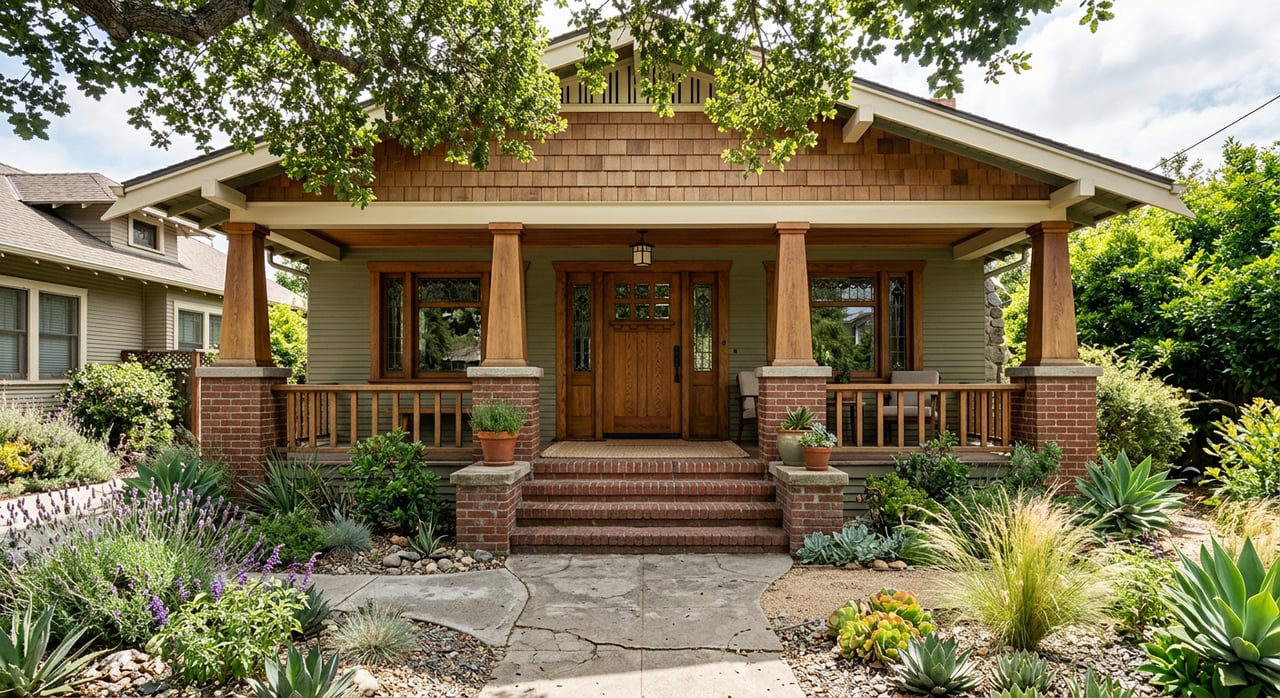
Do you light up when you see a wide front porch, a bay window, or old-growth trees lining the street? If so, Martinez might be your kind of place. This Contra Costa County seat blends true 19th‑century roots with a lively waterfront and a compact downtown that still feels personal. In this guide, you’ll learn what historic styles you’ll find, how the neighborhoods live day to day, and what to know before you buy an older home here. Let’s dive in.
Why Martinez feels historic
Martinez is one of Contra Costa County’s oldest towns, with trading‑post origins around 1849 and a long civic history as the county seat. The city leans into this identity and shares it on the official city history page.
A signature local landmark is the John Muir home, part of the John Muir National Historic Site. The late‑Victorian Italianate mansion and surrounding grounds offer a real sense of the era when Martinez was taking shape. Nearby, the Vicente Martínez Adobe (1849) underscores the city’s 19th‑century roots that still shape its character today.
The city’s Downtown Specific Plan emphasizes protecting a small‑town, historic feel while supporting walkable, mixed‑use streets. That planning focus is a big reason Martinez’s older blocks feel established and welcoming.
Classic architecture you’ll see
You’ll find a layered mix of late‑19th and early‑20th century styles in and around downtown. The city’s Downtown Specific Plan describes these styles and shows how they fit together.
Italianate and Victorian
Look for bracketed eaves, tall narrow windows, and decorative cornices. Some homes rise two or three stories and feature projecting bays or cupolas that add depth to the street.
Queen Anne and Eastlake details
These variations often blend asymmetrical fronts, textured wall surfaces, and turned or carved woodwork. Wrap‑around porches and ornamental trim are common highlights.
Craftsman and California Bungalows
From around 1905 to the 1920s, low‑pitched gables, broad porches, and chunky porch supports became the local standard. Inside, many homes feature simple built‑ins and warm woodwork that feel timeless.
Mission and Spanish Revival
You’ll see stucco walls, arched openings, and red‑tile influences, especially in early‑20th‑century public or commercial buildings referenced in the plan.
Art Deco civic buildings
Some later public structures show streamlined geometry and stylized motifs that add variety to the downtown fabric.
If you want to explore specific properties, the city’s Historical Resource Inventory in Appendix E of the plan is a helpful starting point to see which buildings are recognized locally. You can review it in the Historical Resource Inventory.
Neighborhood charm and daily life
Walkable, human‑scale blocks
Downtown Martinez is compact by design and easy to navigate on foot. Narrower lots, mature street trees, and storefront‑scale buildings work together to create a comfortable daily rhythm. The Downtown Specific Plan highlights standards intended to preserve that walkable character.
Waterfront, parks, and bocce culture
The shoreline is a big part of local life. The city’s Waterfront and Marina area includes the marina, trails, and fields that keep weekends busy. Martinez is also known for bocce, with active leagues and community play coordinated by the Martinez Bocce Federation. These amenities add energy and help older neighborhoods feel vibrant.
Community events and local history
Main Street activity, farmers markets, and seasonal events bring people downtown. If you want to learn more history or join a walking tour, the Martinez Historical Society and Museum offer resources and programs; start with the city’s page for the Martinez Historical Museum.
Buying an older home: what to expect
The joys of historic living
Older homes in Martinez often feature deep front porches, detailed wood trim, and original windows that tell a story. Mature landscaping and tree‑lined streets add to the ambiance. City planning materials emphasize the value of protecting these qualities in the downtown and adjacent blocks.
Stewardship and maintenance
Historic character usually comes with ongoing upkeep. Many owners work with professionals who understand preservation approaches. The Secretary of the Interior’s Standards provide baseline guidance used by preservation‑minded pros when planning sensitive work.
Design review and historic overlays
Some properties fall within a Historic Overlay or appear on local or state registers. If you’re thinking about exterior changes, design review can apply. Before you buy, check whether the home is subject to these rules in the Downtown Specific Plan and confirm the property’s status in the Historical Resource Inventory. Early clarity can save time later.
Flexibility for historic structures
California’s State Historical Building Code (SHBC) can offer performance‑based alternatives for qualified historic buildings during permitting. It helps balance safety and preservation. Application runs through local permitting channels; you can read a high‑level overview of the State Historical Building Code.
Incentives to explore
Some cities and counties offer tax incentives for preservation. In California, the Mills Act is the primary property‑tax incentive. Availability varies by community, so confirm with the City of Martinez Planning or Permit Center and consult the Office of Historic Preservation’s Mills Act guidance and contacts.
Touring checklist for Martinez historic homes
Use this quick list to focus your walk‑through:
- Curb appeal and setting: Note porch depth, original siding, and street trees that frame the home’s presence on the block.
- Windows and doors: Look for original sash, wavy glass, or period door hardware. Ask about past repairs or replacements.
- Rooflines and porches: Identify low‑pitched gables on Craftsman homes or bracketed eaves on Italianate styles. Check porch posts and railings for condition.
- Interior character: Scan for built‑ins, wood trim, and original flooring. These details often define value.
- Systems and comfort: Ask about age and condition of plumbing, electrical, and HVAC. Plan for targeted upgrades over time.
- Exterior materials: Understand what siding and trim are made of and how they’ve been maintained.
- Designation status: Confirm if the property sits in a Historic Overlay or is on a local inventory. Review the city’s Historical Resource Inventory and follow up with Planning.
- Permits and past work: Request a list of permitted projects, especially for exterior changes.
- Walkability and recreation: Visit at different times to see the downtown rhythm and easy access to the Waterfront and Marina.
- Community connection: Explore the Martinez Historical Museum and local events to plug into neighborhood life.
How MVP Real Estate helps you buy with confidence
If you love the idea of period charm and a lived‑in neighborhood feel, you deserve a smooth, informed path to ownership. Our team specializes in guiding East Bay buyers through older homes with care and clarity.
- Local expertise: We’ll help you understand style, condition, and the context of each block so your choice fits your lifestyle.
- Smart planning: We coordinate with inspectors and point you to the right city resources for overlays, design review, and potential incentives.
- Integrated financing: Our in‑house lending referral helps you get qualified quickly and shop with confidence.
- Bilingual support: Hablamos español. We make each step simple and accessible.
When you are ready to explore historic homes in Martinez, reach out to MVP Real Estate for a friendly consult and a clear plan.
FAQs
What makes Martinez’s historic neighborhoods unique?
- Martinez blends true 19th‑century roots with a walkable downtown, the John Muir National Historic Site, and an active waterfront that keeps older streets lively.
Which architectural styles are common in older Martinez homes?
- You’ll see Italianate/Victorian, Queen Anne influences, Craftsman and California bungalows, plus Mission/Spanish Revival and some Art Deco civic buildings per the city’s plan.
How can I check if a Martinez home is in a Historic Overlay?
- Start with the city’s Downtown Specific Plan and its Historical Resource Inventory, then confirm details with the City Planning or Permit Center.
Will exterior changes on a historic home need special review?
- They may. Properties in overlays or on inventories often require design review; check early to understand timing and scope before planning projects.
Are there tax incentives for restoring historic homes in Martinez?
- The Mills Act is California’s primary property‑tax incentive; availability varies by city. Confirm with City Planning and review the state Office of Historic Preservation’s guidance.