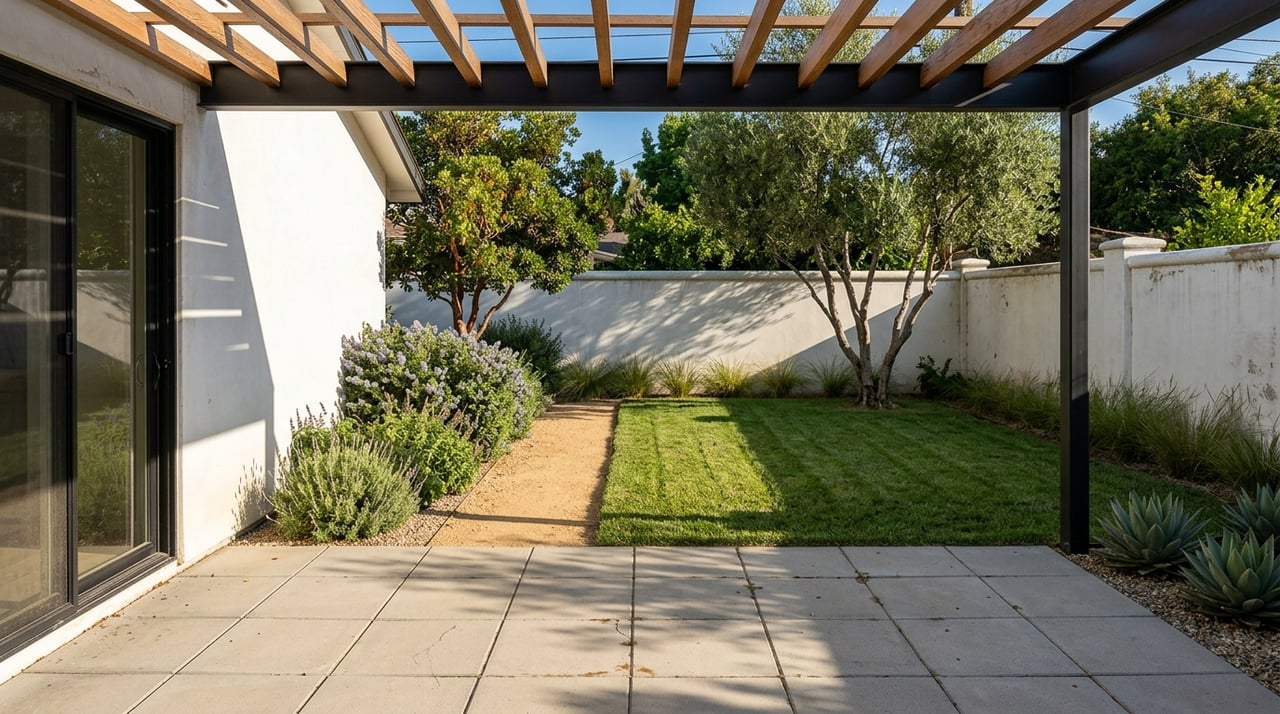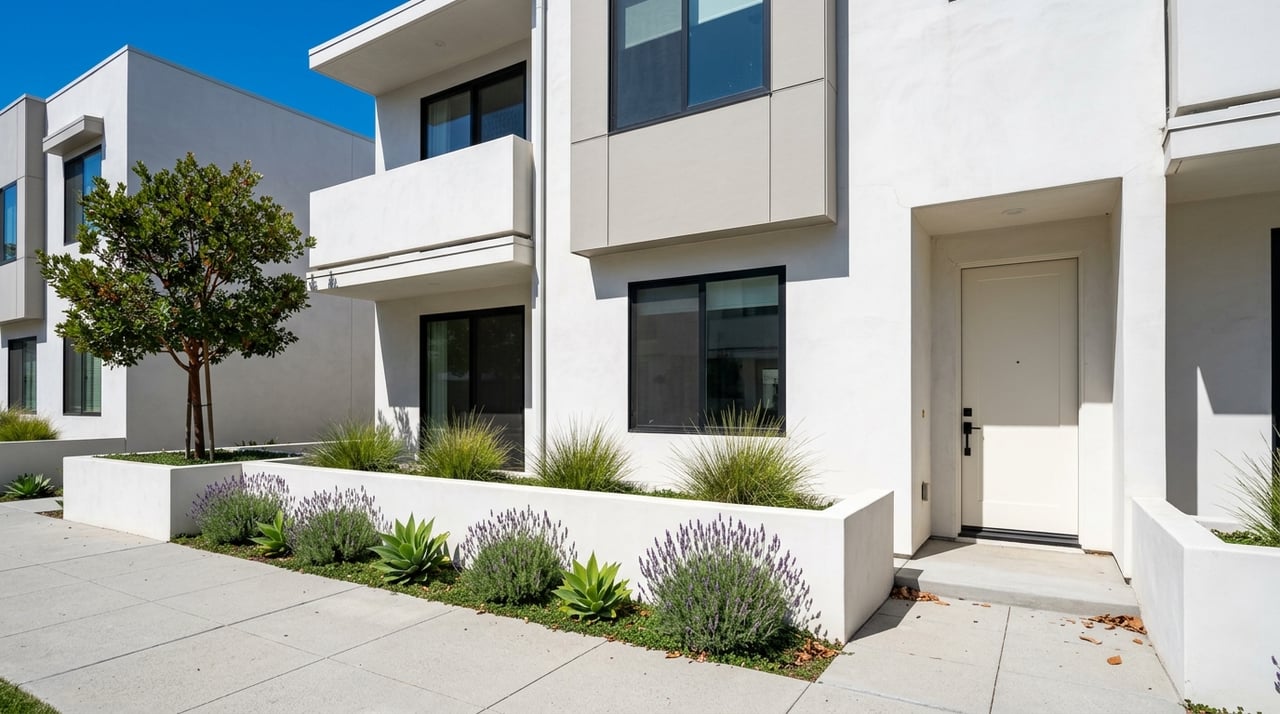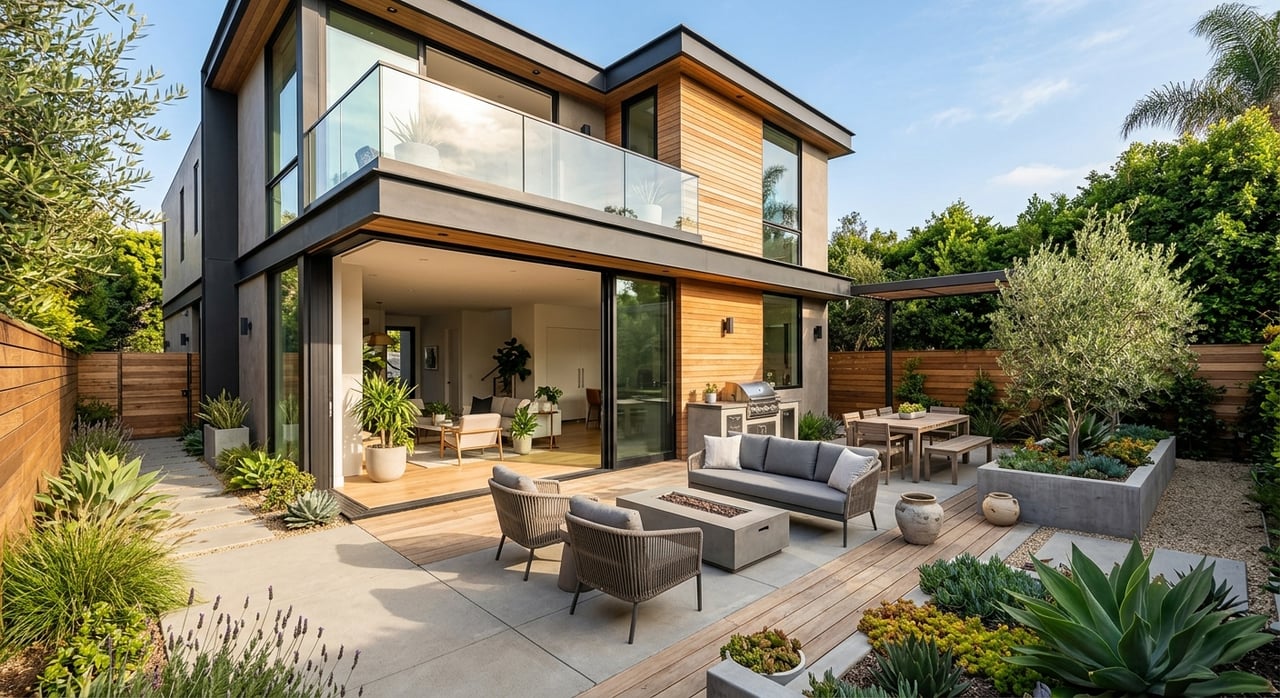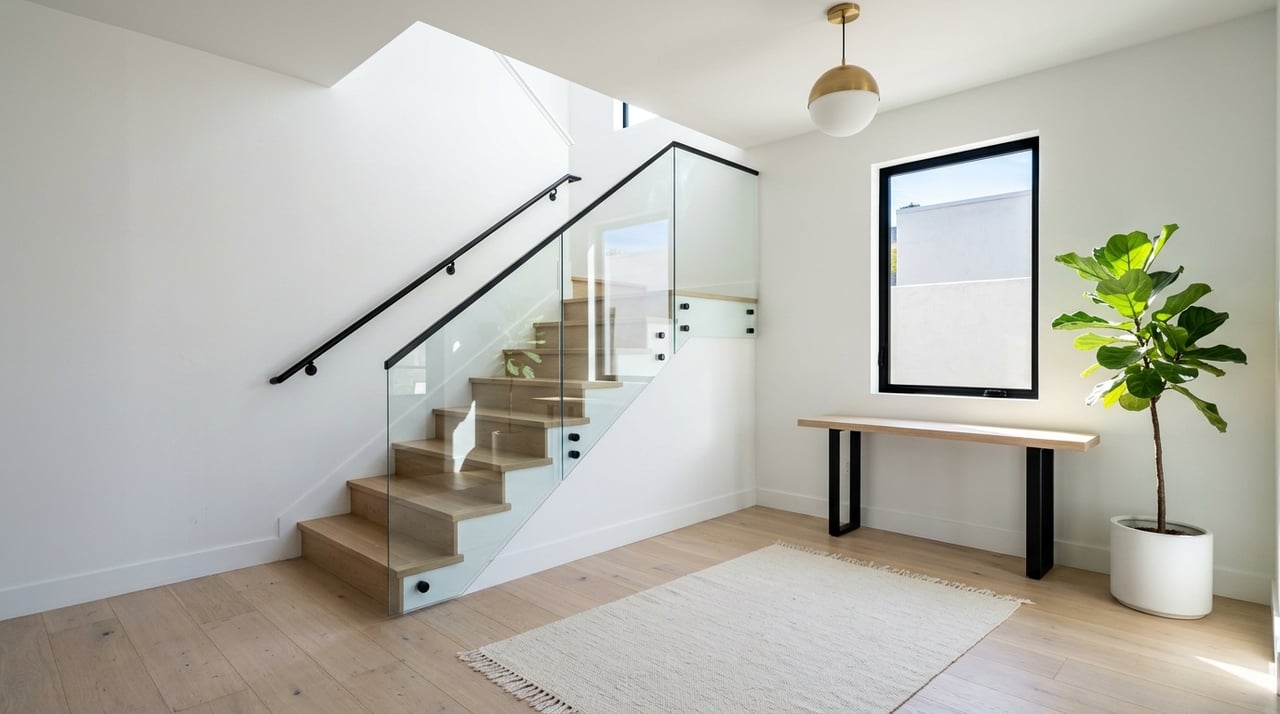
Trying to decide between a brand-new build or a resale home in Oakley? You are not alone. With Oakley’s mix of recent subdivisions and established neighborhoods, the right choice depends on your budget, timeline, and comfort with things like Mello-Roos taxes, HOA rules, and commute patterns. In this guide, you will compare costs, risks, and timelines, and get a checklist tailored to East Contra Costa buyers. Let’s dive in.
Oakley factors to weigh
Oakley sits on the eastern side of Contra Costa County near the Sacramento–San Joaquin Delta. Many buyers choose it for newer subdivisions, relative value, and access to parks and local amenities. Commutes often rely on Highway 4, with eBART connections in the Antioch/Brentwood corridor; plan for drive times and congestion when weighing neighborhoods.
Proximity to delta and low-lying areas means flood risk and levee protection should be part of your due diligence. Check FEMA flood maps and ask for any available elevation certificates to understand insurance needs. School assignments vary by address, so always verify the assigned schools through district sites before you decide.
New construction pros and cons
New construction in Oakley often means production or planned community homes built within the last decade. You get modern layouts, open plans, and systems built to current Title 24 energy standards. Most builders provide transferable warranties, with common coverage for workmanship, systems, and longer structural protection.
On the flip side, new homes can carry a price premium and often come with Mello-Roos/CFD special taxes and HOA dues. These add to your monthly cost and must be included in your affordability plan. You may also face appraisal challenges if there are limited comparable sales, construction dust, and phased amenities that arrive after you move in.
New construction advantages
- Modern floor plans, efficient systems, and code-compliant materials.
- Lower near-term maintenance on roof, HVAC, and appliances.
- Ability to choose finishes, lots, and upgrades within builder options.
- Builder warranties and post-close support; confirm coverage and terms.
- Planned parks, trails, or community centers at build-out.
New construction watch-outs in Oakley
- Price premiums and upgrade costs add up quickly.
- Mello-Roos/CFD special taxes are common in newer tracts; verify amounts and duration.
- HOA rules and budgets may be pro forma early on; review reserves and restrictions.
- Appraisal gaps if comps are limited; plan for extra cash or negotiation on options.
- Construction delays and ongoing build-out can affect move-in and daily life.
Resale pros and cons
Resale homes offer established neighborhoods, mature landscaping, and a clear sense of community. You can see maintenance history through inspections and seller disclosures. In some market conditions, resales offer more room to negotiate price, credits, or repairs.
The trade-off is potential deferred maintenance or older systems that need replacement sooner. Older homes may be less energy efficient than current Title 24 standards, and some properties may have hidden issues like drainage or pest concerns. Inventory can be tight in certain price bands, which may limit your options.
Resale advantages
- Established neighborhood character and landscaping.
- Transparent maintenance history through inspections and disclosures.
- Potential negotiation leverage on price, credits, or repairs.
- Existing property tax history is visible, though reassessment occurs at purchase.
Resale watch-outs in Oakley
- Roof, HVAC, plumbing, or electrical may need updates.
- Older energy performance; upgrades can be costly.
- Possible hidden issues: foundation, termite, sewer, or drainage.
- Limited inventory in specific neighborhoods or price points.
Total monthly cost in Oakley
Your budget needs to include more than principal and interest. In Oakley, factor in:
- Property taxes and reassessment at purchase per Prop 13.
- Homeowners insurance, plus optional earthquake coverage.
- Flood insurance if the property sits in a higher-risk zone.
- HOA dues where applicable.
- Mello-Roos/CFD special taxes in many newer subdivisions. Confirm the annual amount, duration, and any escalators.
Ask for the preliminary title report and the current county tax bill to identify any special assessments. For HOAs, review budgets, reserves, rules, and any history of special assessments. For new builds, request all builder disclosures and confirm completion timelines for roads, utilities, and amenities.
Side-by-side comparison
| Category | New Construction | Resale |
|---|---|---|
| Upfront price | Often higher base price; upgrades add cost | Market-based; potential for negotiation |
| Monthly cost | Add Mello-Roos/CFD and HOA; verify totals | HOA if applicable; special assessments vary |
| Maintenance | Lower near-term repairs; warranties help | Potential near-term repairs or replacements |
| Timeline | Build or phase delays possible | Typical escrow of about 30–45 days |
| Warranty | Builder workmanship/systems/structural coverage | No builder warranty; rely on inspections |
| Appraisal risk | Higher if few comps exist | Market-based; comps more established |
| Amenities | Community features may phase in later | Existing neighborhood amenities already in place |
| Energy efficiency | Built to current Title 24 standards | May require efficiency upgrades |
| Insurance | Check flood zone; new codes may reduce risk | Check flood zone; older systems may influence premiums |
Due diligence checklist
For any Oakley home
- Get a current comparative market analysis and local comps.
- Verify school assignments through district websites for the exact address.
- Check FEMA flood zone status; request any elevation certificate.
- Ask for recent utility bills or energy-use estimates to model operating costs.
- Review title and preliminary reports for easements or assessments.
For new construction
- Request all builder disclosures: Mello-Roos/CFD documents, CC&Rs, HOA draft budget, phasing plan, and warranty terms.
- Confirm whether the builder uses a third-party warranty provider; note start and end dates.
- Ask for soils and structural reports, grading, and drainage plans.
- Schedule independent inspections at pre-drywall and final stages, plus a pest inspection.
- Confirm permits were closed and amenities’ completion timelines.
For resale
- Order standard home, roof, HVAC, plumbing, electrical, and pest inspections.
- Consider sewer lateral and structural/engineer checks where appropriate.
- Pull permit history for past additions or remodels.
- Review seller disclosures, recent utility bills, and the property tax bill.
- If in an HOA, review CC&Rs, meeting minutes, and financials.
Financing and negotiation
Builders often offer preferred-lender incentives or temporary rate buydowns. Evaluate the net benefit after factoring the home’s price, upgrades, and closing costs. For custom or semi-custom builds, construction loans can require different underwriting and draw schedules.
Resale purchases typically follow a standard mortgage process. Use inspection results to negotiate repairs, credits, or price adjustments. In both cases, plan for appraisal risk. If the appraised value is lower than your contract price, be ready with a strategy, such as extra down payment or negotiated concessions.
Timelines: new vs. resale
New construction timelines vary. Spec or model homes may be available quickly, but most builds can take months, and community amenities may arrive in phases. You are also exposed to interest-rate changes during the build, so talk about lock strategies early.
Resale timelines are more predictable, with many escrows closing in about 30–45 days. Contingencies, repairs, or the sale of your current home can extend that timeline, but occupancy often comes sooner than a ground-up build.
How to choose your best fit
Start with your non-negotiables. If you want modern efficiency, warranties, and customization, a new build may be your path. If you value established neighborhoods, faster occupancy, and negotiation room, resale might win.
Match your choice to the Oakley realities: Highway 4 commute patterns, eBART connections, potential flood insurance, and the possibility of Mello-Roos/CFD taxes in newer tracts. Then use the checklist above to compare two or three addresses side by side, including true monthly costs and timeline certainty.
Ready to compare homes?
You do not have to figure this out alone. A local guide can model your monthly costs with Mello-Roos/CFD, evaluate appraisal risk, and plan inspections for either a brand-new build or a solid resale. If you are weighing Oakley or nearby East Bay cities, we are here to help in English or Spanish. Connect with MVP Real Estate to map your best path to homeownership.
FAQs
How do Mello-Roos/CFD taxes affect Oakley buyers?
- Many newer subdivisions include special taxes that add to your annual bill; ask for the recorded CFD documents and confirm the amount, duration, and any escalators before you commit.
Are new homes in Oakley cheaper to operate?
- Often yes, because they meet current Title 24 energy standards and have newer systems; actual savings vary with design and how you use the home.
Should I skip inspections on a brand-new Oakley home?
- No; schedule independent inspections at key stages, review permits, and verify warranties to catch workmanship issues early.
Can I negotiate with builders on new construction in Oakley?
- There is usually less room on base price in strong markets, but you can often negotiate upgrades, closing-cost credits, and rate buydowns, especially at phase or quarter-end.
Do new Oakley communities appreciate faster than resales?
- Appreciation depends on location, community build-out, and market conditions; some peripheral areas improve as amenities and infrastructure are completed, but there is no guaranteed outcome.