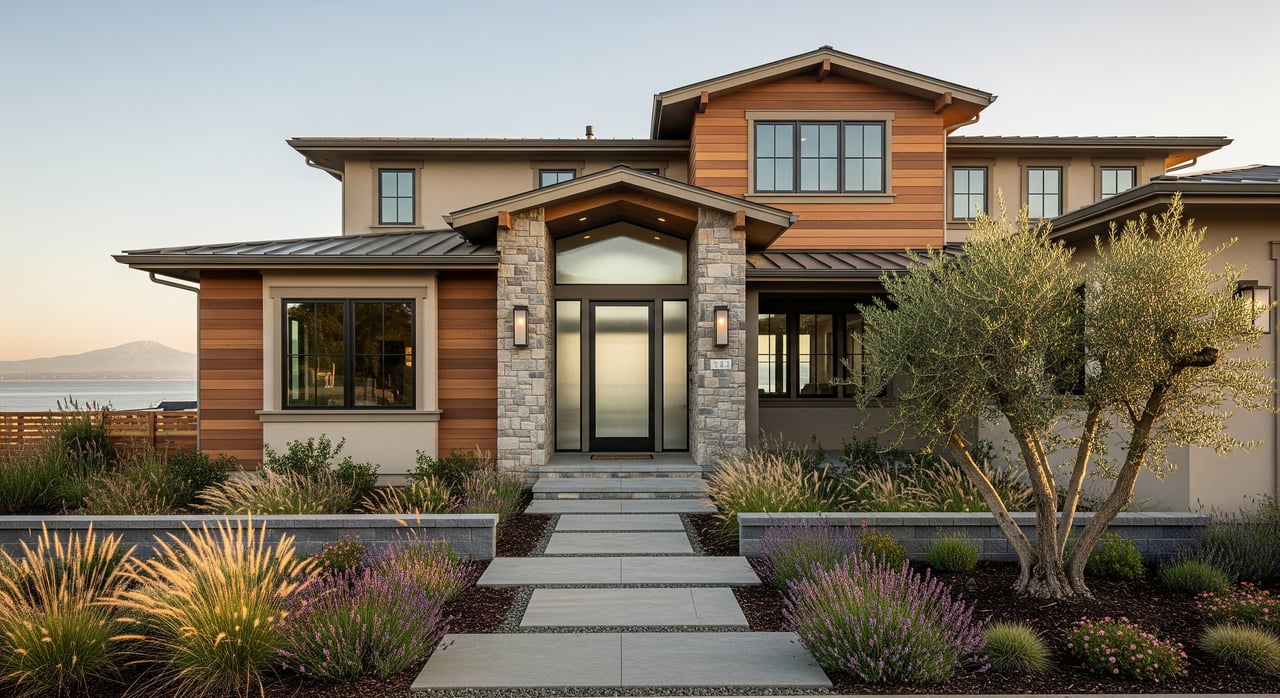
Dreaming about your first home but unsure where to begin in Pittsburg? You are not alone. Pittsburg draws many first-time buyers with its relative affordability, diverse housing, and BART access for Bay Area commutes. In this guide, you will learn which neighborhoods to explore, how to finance your purchase, and what to watch for locally so you can move forward with confidence. Let’s dive in.
Why Pittsburg works for first-time buyers
Pittsburg sits along State Route 4 with access to the Pittsburg/Bay Point BART station and eBART to Antioch. If you work elsewhere in the Bay Area, transit options and highway access can help you balance commute time with home value.
You will find a mix of older post‑war homes, newer small-lot subdivisions, condos and townhomes, and waterfront properties near the marina. Builders also add infill and townhome communities that often target first-time buyers. Inventory changes quickly, so plan to review current listings with a local agent.
Seasonal patterns matter. Spring often brings more homes to the market, and competition can increase when inventory is tight. Many buyers consider Pittsburg for better relative affordability compared with the inner East Bay, though multiple offers can still happen.
Where first-time buyers start: neighborhoods
Neighborhood boundaries in Pittsburg are informal. Micro-differences block by block are real, so tour in person and review current data with your agent.
Downtown, Rivertown, and Riverfront
Walkable streets, older homes, and loft-style or condo options anchor this area, close to the waterfront and civic spots.
- Pros: Walkability, community feel, potential for long-term appreciation with ongoing downtown investment.
- Cons: Smaller lots, fewer new detached-home choices, and possible flood considerations near the water. Review flood maps and insurance needs for any property.
Marina and Waterfront areas
Condominiums and townhomes with views of the marina and the Delta offer a unique lifestyle.
- Pros: Water views, newer condo stock in some buildings, and proximity to waterfront amenities.
- Cons: Flood risk in some parcels and higher insurance requirements. HOA dues can be a meaningful part of your monthly budget.
South Pittsburg, Willow Pass, Bailey Ranch corridor, and adjacent Bay Point
This area features older tract homes and a range of single-family options, with apartments and mobile home communities in the broader surroundings.
- Pros: Often more affordable entry points, access to Highway 4 and eBART.
- Cons: Conditions vary block by block. Some parts are unincorporated Bay Point with different service providers, so verify utilities and services.
Upper Hills, Pittsburg Heights, and newer suburban tracts
Hillside neighborhoods and newer subdivisions attract buyers looking for more recent construction and views.
- Pros: Newer builds can mean modern systems and layouts, plus potential views.
- Cons: Typically higher prices than valley areas, and a longer trip to BART or downtown.
Townhomes and small-lot new construction
Infill builders often focus on attached homes and compact lots that suit first-time buyers.
- Pros: Lower exterior maintenance and modern floor plans.
- Cons: HOA dues and rules apply, and private outdoor space may be limited.
Condo, townhome, or single-family?
Each choice has tradeoffs. Condos and townhomes usually come with a lower purchase price, but HOA dues add to your monthly costs and rules can limit renovations or rentals. Single-family homes offer more autonomy and space but often require higher upfront funds and ongoing maintenance. Match your choice to lifestyle, budget, and how long you plan to stay.
Financing basics for Pittsburg first-timers
Common loan options
- FHA loans: Low down payment and flexible credit guidelines, with mortgage insurance.
- Conventional 3% down: Fannie Mae HomeReady and Freddie Mac Home Possible support lower down payments for eligible buyers and may require education.
- VA loans: Zero down for eligible veterans and active-duty service members.
- USDA loans: Zero down for eligible rural properties. Urbanized parts of Pittsburg may not qualify, so confirm property eligibility.
Down payment help to explore
- CalHFA programs: Options include first mortgages paired with down payment assistance like the MyHome Assistance Program. Income and purchase price limits apply, and details change, so check current guidelines.
- Contra Costa County assistance: County and some cities may offer down payment assistance or Mortgage Credit Certificates when funding is available. Program rules and income limits can change.
- City-level support: Pittsburg and nearby cities may roll out neighborhood-specific incentives at times. Review city housing or community development updates for availability.
Budget for the full monthly cost
Plan for mortgage insurance if you put less than 20 percent down, as well as HOA dues if buying a condo or townhome. Property taxes in California are shaped by Proposition 13 base rates, and newer communities can include Mello-Roos or special assessments. Ask for a sample tax bill and confirm assessments before you commit.
A smart first-time buyer game plan
Step 1: Get a full pre-approval
Start with a lender pre-approval, not just a pre-qualification. A full pre-approval clarifies your price range, strengthens offers, and helps you move fast when a good home hits the market.
Step 2: Partner with a Pittsburg-savvy agent
Work with an agent who understands micro-neighborhood trends, HOA stability, and local disclosures. A local expert can flag special assessments, flood or seismic history, and community facilities districts that affect your bottom line.
Step 3: Tour with intent
Preview neighborhoods at different times of day, note commute routes, and compare HOA amenities when viewing attached homes. Keep a running list of must-haves and nice-to-haves so you can move decisively.
Step 4: Match your offer to the market
When inventory is tight, write a clean offer with a strong pre-approval and reasonable timelines. Do not skip important protections without a clear strategy. In a more balanced market, you can request credits, repairs, or longer timelines to fit your needs.
Step 5: Inspections and local disclosures
- Flood risk: Waterfront and low-lying properties can sit in FEMA flood zones. Confirm insurance needs and lender requirements.
- Seismic: All Bay Area homes face earthquake risk. Review state disclosures and consider retrofits for older homes.
- Soil, drainage, and pests: Termite, roof, and foundation inspections help you understand long-term costs.
- Environmental: Review Natural Hazard Disclosure reports and any county records for past industrial uses.
- HOA health: For condos and townhomes, review budgets, reserves, insurance, litigation history, and owner-occupancy rates.
Step 6: Timeline and expectations
Most conventional escrows run about 30 to 45 days. New construction can follow a different schedule. If repairs require permits, allow extra time for approvals.
Pittsburg-specific checks before you commit
- Commute check: Test your route to the Pittsburg/Bay Point BART station and along Highway 4 during typical commute times.
- Flood and insurance: Verify flood zone status and premiums for waterfront or low-lying parcels.
- Taxes and assessments: Ask about Mello-Roos or special districts in newer tracts and confirm supplemental tax expectations.
- Utilities and services: In some adjacent areas, service providers differ. Confirm sewer, water, and any local utility district charges.
- Schools: Review Pittsburg Unified School District boundaries and official sources for assignment details. School quality can vary by neighborhood.
- HOA stability: For attached communities, read reserve studies and meeting minutes for upcoming projects or special assessments.
How MVP Real Estate helps first-time buyers
You deserve a guided, step-by-step path to homeownership. Our team pairs local Pittsburg expertise with integrated lending support so you can act with clarity and speed. We help you choose neighborhoods that fit your lifestyle, break down financing options like FHA, conventional 3 percent, VA, and CalHFA, and craft offers that match current market conditions.
Our service is high-touch and bilingual in English and Spanish. We offer education-first resources, including buyer guides and a first-time homebuyer masterclass, and we stay responsive from pre-approval through closing. When you are ready to start, we are ready to help you win your first home in Pittsburg.
If you want a clear plan tailored to your goals, reach out to MVP Real Estate for a friendly consultation.
FAQs
Is Pittsburg a good place for first-time buyers?
- Many first-time buyers look at Pittsburg for relative affordability and BART access compared with the inner East Bay, while weighing commute times, block-level differences, and potential flood or special assessments near the waterfront.
What Pittsburg neighborhoods are most affordable for first homes?
- Valley-floor areas and parts of South Pittsburg or nearby Bay Point can offer lower entry points than hillside or waterfront areas, though prices shift with market cycles and inventory.
Are there down payment assistance programs for Pittsburg buyers?
- Statewide CalHFA options and county or city programs may be available, but funding and eligibility change often. Confirm current details with program administrators and a lender.
Do I need flood insurance for a waterfront Pittsburg condo?
- Possibly. Many waterfront or riverside homes fall within FEMA flood zones and may require flood insurance. Confirm the property’s flood status and lender requirements.
Should I choose a condo or a single-family home in Pittsburg?
- Condos and townhomes can reduce your entry price but add HOA dues and rules. Single-family homes give more space and autonomy but can require more cash and maintenance.
How long does it take to close on a home in Pittsburg?
- Most conventional purchases close in about 30 to 45 days, depending on your loan, inspections, and any repairs or permits needed.