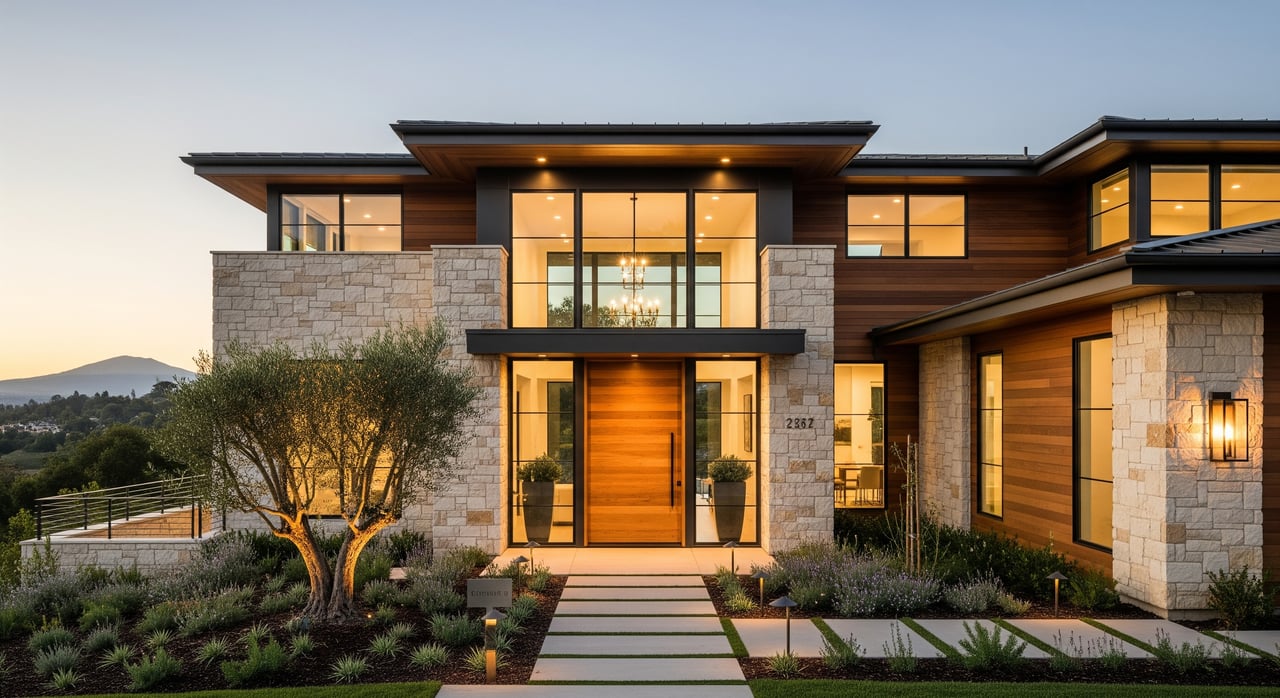
Thinking about selling your Concord home but unsure where to set the price? You want strong offers, a smooth timeline, and confidence you didn’t leave money on the table. You also want a plan that reflects Concord’s real dynamics, not generic advice. In this guide, you’ll see exactly how we price Concord homes using a clear, local, and data-backed process so you can list with confidence. Let’s dive in.
The Concord market, in context
Concord sits within the East Bay, where the market cooled from the 2020–2022 peak as interest rates rose, then moved toward stabilization through 2023–2024. Seasonality matters here. Spring often brings more listings and buyers, while late fall and winter can slow activity. Mortgage rates shape buyer budgets, and proximity to BART, major employers, and commute routes can sway demand.
When we price, we track the metrics that signal competitiveness: median sale price, inventory and months of supply, new pendings, average days on market, sale-to-list price ratio, and price per square foot by neighborhood. We verify these trends using local MLS data and county records, and we watch how active and pending listings are moving week to week.
Our step-by-step pricing process
1) Define your home’s profile
We start with the basics and the details that truly move value: property type, beds and baths, square footage, lot size, year built, condition, recent upgrades, roof and HVAC age, garage or parking, storage, and any permitted ADU. We also note location factors like neighborhood boundaries, school district information, proximity to the Concord BART station, State Route 4, parks, and shopping.
2) Build a rock-solid comp set
We assemble comparable sales that mirror your home. Recent sales from the last 30 to 90 days are best. If activity is limited, we extend to 6–12 months and expand the radius carefully. We include four status groups to see the full picture:
- Sold comps to anchor value
- Pending sales to see what buyers agree to right now
- Active listings to understand your competition
- Expired or withdrawn listings to learn where pricing or presentation failed
3) Set a price-per-square-foot baseline
From the closest-matching sold comps, we calculate a price-per-square-foot range and apply it to your home’s size. This gives us a market baseline. Then we test that baseline against differences in condition, layout, lot usability, and location so we avoid over-simplifying price by square footage alone.
4) Apply smart Concord-specific adjustments
We make targeted, local adjustments based on what buyers in Concord respond to most:
- Transit access: Homes near the Concord BART station often see higher demand from commuters.
- Road noise: Adjacency to State Route 4 or busy corridors can require a downward adjustment.
- Downtown convenience: Walkable access to shops and restaurants can lift appeal.
- Views and topography: Scenic outlooks, including Mt. Diablo views, can add value in many price bands.
- Bedrooms, baths, and functionality: Extra bathrooms, an efficient layout, and usable yard space are difference-makers.
- Condition and upgrades: Quality kitchen and bath remodels, flooring, windows, and systems upgrades impact buyer confidence.
- Permits and ADUs: Documented permits and legal ADUs support stronger pricing.
- Carrying costs: HOA dues, Mello-Roos, and special assessments affect affordability and may require pricing sensitivity.
5) Cross-check with live market signals
We compare our adjusted value to what is active, pending, and recently expired in your submarket. We also watch psychological price thresholds that affect search filters, like $499,000 vs $500,000 or $999,000 vs $1,000,000. Small differences at these boundaries can change how many buyers even see your listing.
6) Choose the right pricing strategy
Your goals drive the final strategy. We’ll recommend one of three approaches and show you the tradeoffs:
- Competitive pricing: Price at or slightly below market to attract more showings and potential multiple offers. This can shorten days on market.
- Market pricing: Price at the data-supported value for a balanced path to strong outcomes.
- Aspirational pricing: Price above market to test a premium. This can slow activity, increase days on market, and risk later reductions.
We pre-plan milestones to review traffic, showing feedback, and offer activity, then adjust quickly if the market signals a change is needed.
Price psychology and search filters
Most buyers search in price brackets. A price at $899,000 may appear in more searches than $900,000, even though the difference is small. We use these thresholds strategically to widen your buyer pool, increase showings, and potentially improve the sale-to-list outcome.
Legal and disclosure items that affect price
Transparent, complete disclosures build buyer trust and can protect your net outcome. In California, you’ll prepare a Transfer Disclosure Statement and a Natural Hazard Disclosure. Homes built before 1978 require a lead-based paint disclosure. If there is an HOA, buyers expect CC&Rs, bylaws, financials, and rules. If your property has Mello-Roos or special assessments, we disclose that early to set clear expectations.
It is also important to disclose known unpermitted work, structural issues, or tenant status. A pre-listing home inspection can surface issues that might otherwise become negotiation surprises, giving you the chance to repair or price with clarity.
Prep that boosts perceived value
You can influence how buyers perceive your home and your price.
- Presentation: Staging, decluttering, and professional photography increase appeal and can reduce days on market.
- Minor fixes: Fresh paint, landscaping, and small repairs help your home compete against similar listings.
- Confidence: Pre-inspections and documented permits for past work help buyers feel secure at your price.
- Timing and launch: Listing at the right moment in the weekly and seasonal cycle can improve day-one activity.
- Marketing breadth: Strong MLS exposure, network outreach, and targeted digital marketing expand your reach to the most likely buyers.
When to adjust after launch
We set expectations before you list so decisions are easy later. In active markets, many sellers evaluate pricing and activity after 10 to 21 days. If showings and online engagement are light compared to similar listings, or if nearby pendings are moving under your price band, we will calibrate. Sometimes a modest price improvement or a condition update repositions your home and reactivates demand.
What you get with our team
You get a clear plan, specific to your neighborhood, with coaching at every step. Our team pairs pricing expertise with hands-on preparation guidance and negotiation skill. We also understand how buyers’ financing and rate changes affect demand, which helps us set a price that the market will support.
Here is what we deliver when you sell with us:
- A custom Comparative Market Analysis with sold, pending, active, and expired listings
- A price-per-square-foot baseline with Concord-specific adjustments
- Strategy options for competitive, market, or aspirational pricing
- A launch plan with staging, photography, and open houses
- A seller-ready checklist for disclosures and pre-listing improvements
- Weekly updates on showings, feedback, and market shifts
Ready to see what today’s market would pay for your Concord home? Connect with our team to review your options and choose a pricing path that fits your goals.
If you want to talk next steps or get a data-backed estimate, reach out to Unknown Company to get your free home valuation. Hablamos español.
FAQs
How should a Concord home seller choose comps?
- Use 3 to 8 recent sold comps within 30 to 90 days when possible, matched for location, size, type, and condition, and include active, pending, and expired listings for context.
What if my Concord property is unique with few comps?
- Expand the time window and radius, use price-per-square-foot paired with adjustments, and consider a professional appraisal or broker price opinion.
How long should I wait before reducing my Concord list price?
- Set a timeline upfront and monitor response; in active markets, many sellers reassess after about 10 to 21 days based on showings and feedback.
Should I overprice my Concord home to leave room to negotiate?
- Overpricing can limit traffic and lead to longer days on market and later reductions; a strategic, market-aligned price usually produces better net results.
How do mortgage rates impact my Concord pricing strategy?
- Higher rates reduce buyer purchasing power, which can dampen demand; we adjust pricing expectations and strategy to fit current rate-driven behavior.